Overview
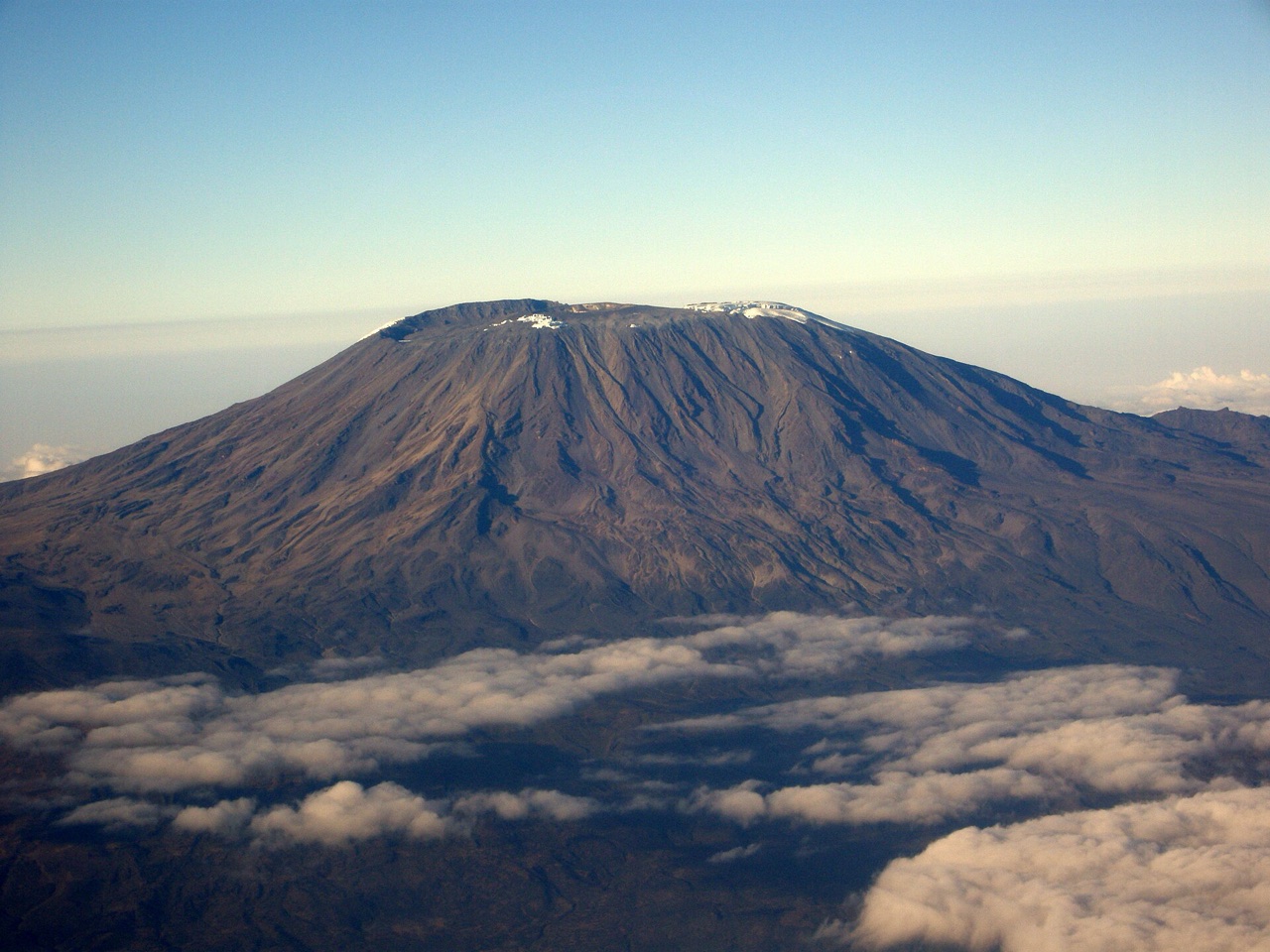
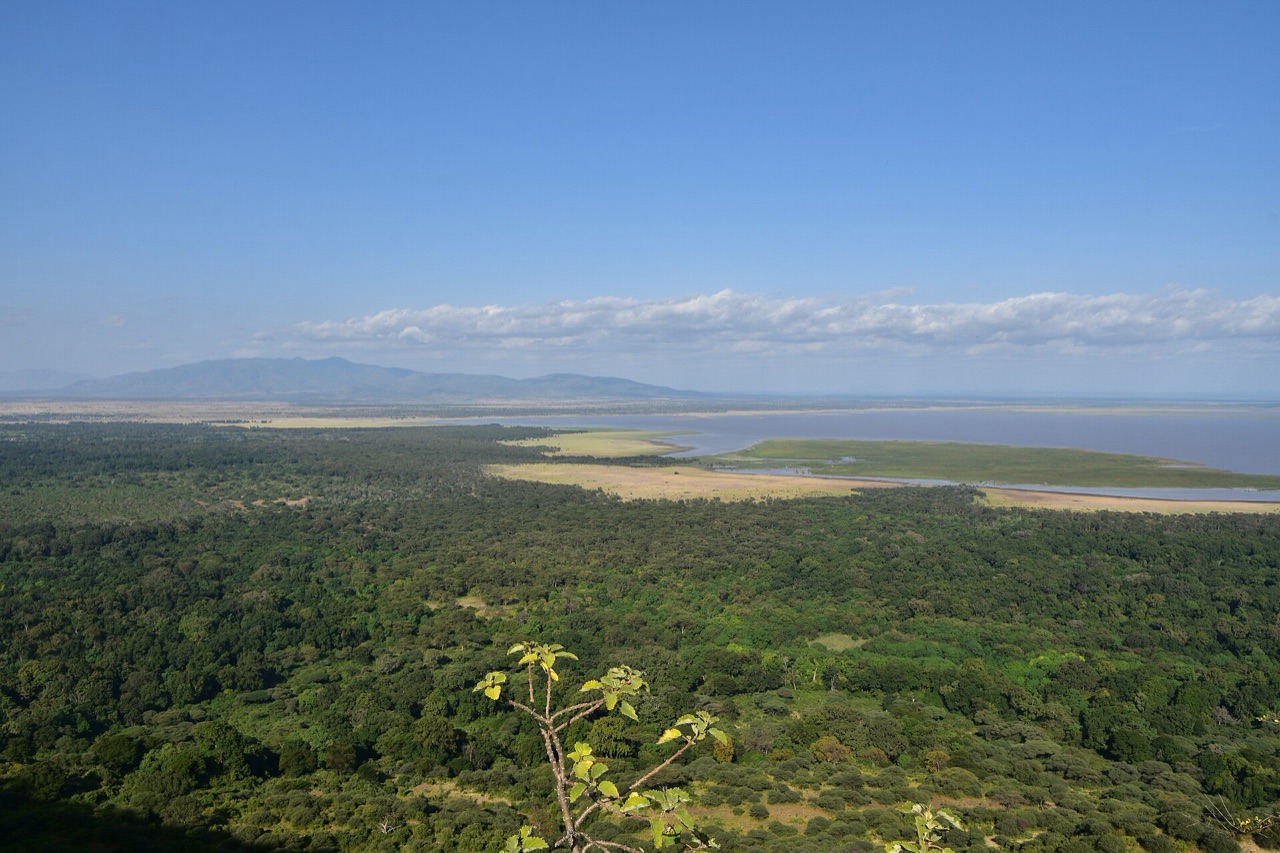
Dramatically bordered by lush green vegetation, the park captivates from the moment you enter, with large troops of baboons and blue monkeys swinging from the trees. It is also famous for its tree-climbing lions.
Highlights
What makes Lake Manyara National Park worth the journey.
- A rich, diverse landscape of forest, woodland, grassland and swamp.
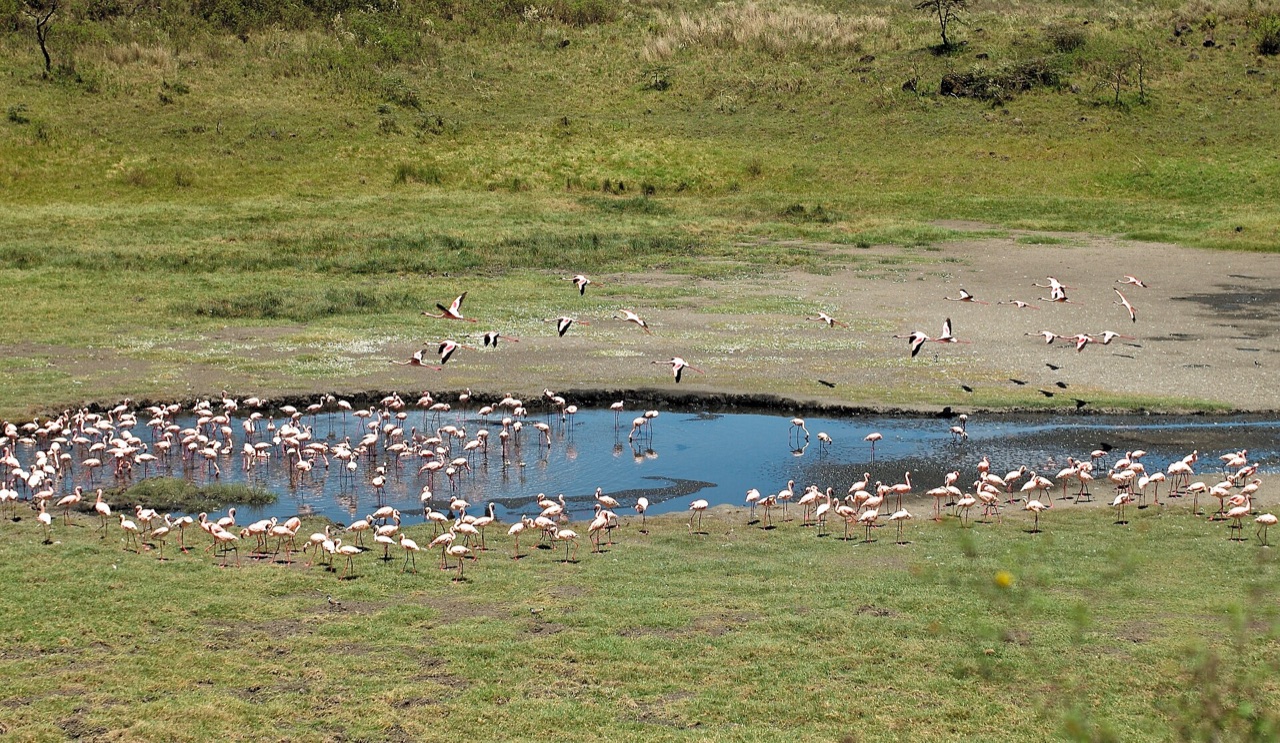
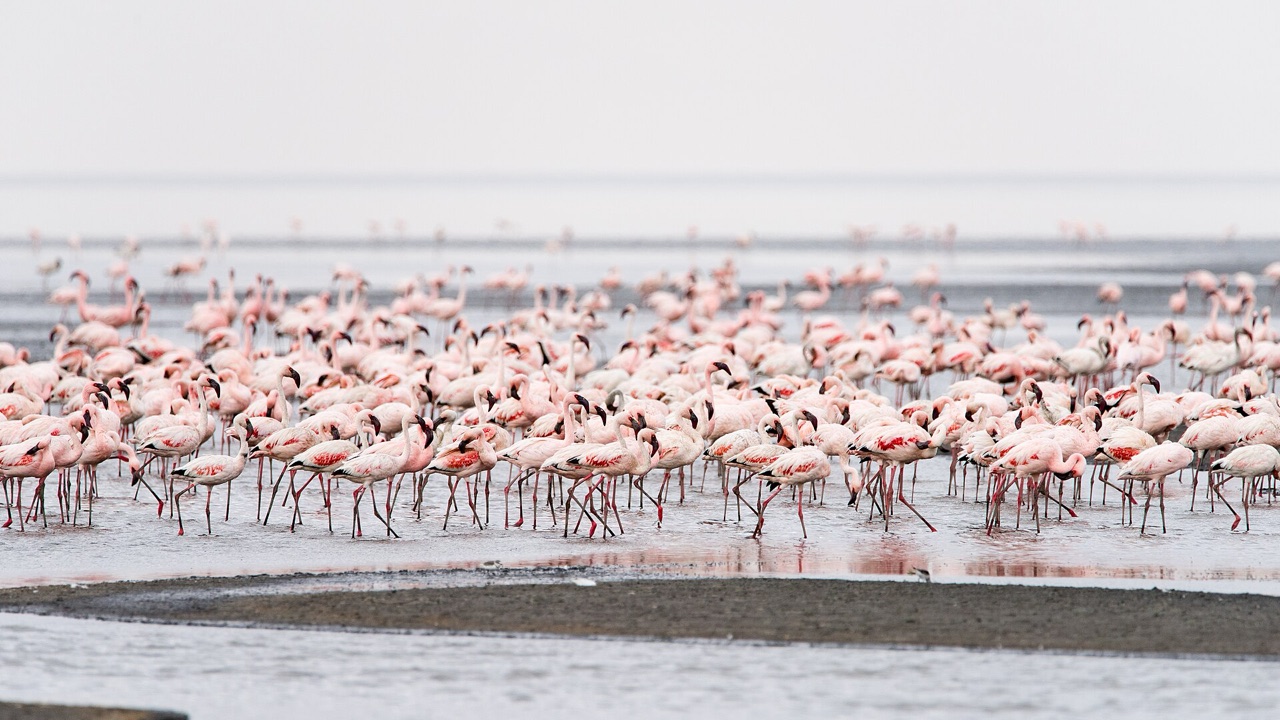
- A soda lake with 350 bird species, including flamingos, pelicans, sacred ibis, grebes and storks: the ‘birdwatcher's paradise’.
- Tree-climbing lions lounging along acacia branches 6–8 metres above the ground.
- Buffalo, elephant, giraffe, impala, hippo and many smaller animals, all in a single day.
When to go
Month by month, at a glance.
- January: Good (green season)
- February: Good (green season)
- March: Peak rains
- April: Peak rains
- May: Peak rains
- June: Best (dry season)
- July: Best (dry season)
- August: Best (dry season)
- September: Best (dry season)
- October: Best (dry season)
- November: Good (green season)
- December: Good (green season)
Dry seasonJune to October
- Greater chance of spotting wildlife in the shorter grass and around waterholes and rivers
- Plenty of sun with very little rain
- Fewer mosquitoes, so a lower risk of malaria
- Mornings are chilly in June and August, so bring warm clothing for game drives
Green seasonNovember to May
- Lush green scenery and full vegetation
- April and May is low season and much quieter
- Good wildlife viewing all year round
- Excellent for birdwatchers, with migratory birds present
- Roads are more difficult to navigate
Where to stay
8 camps and lodges in and around the park. Tell us your style and budget and we'll suggest the best fit.
- Acacia Farm House
- Lake Manyara Serena Safari Lodge
- Lake Manyara Tree Lodge
- Bougainvillea Safari Lodge
- Hhando Coffee Lodge
- Kudu Lodge & Campsite
- Olea Africana Lodge
- Escarpment Luxury Lodge
Tours that visit
Our packages that include Lake Manyara National Park.