Overview
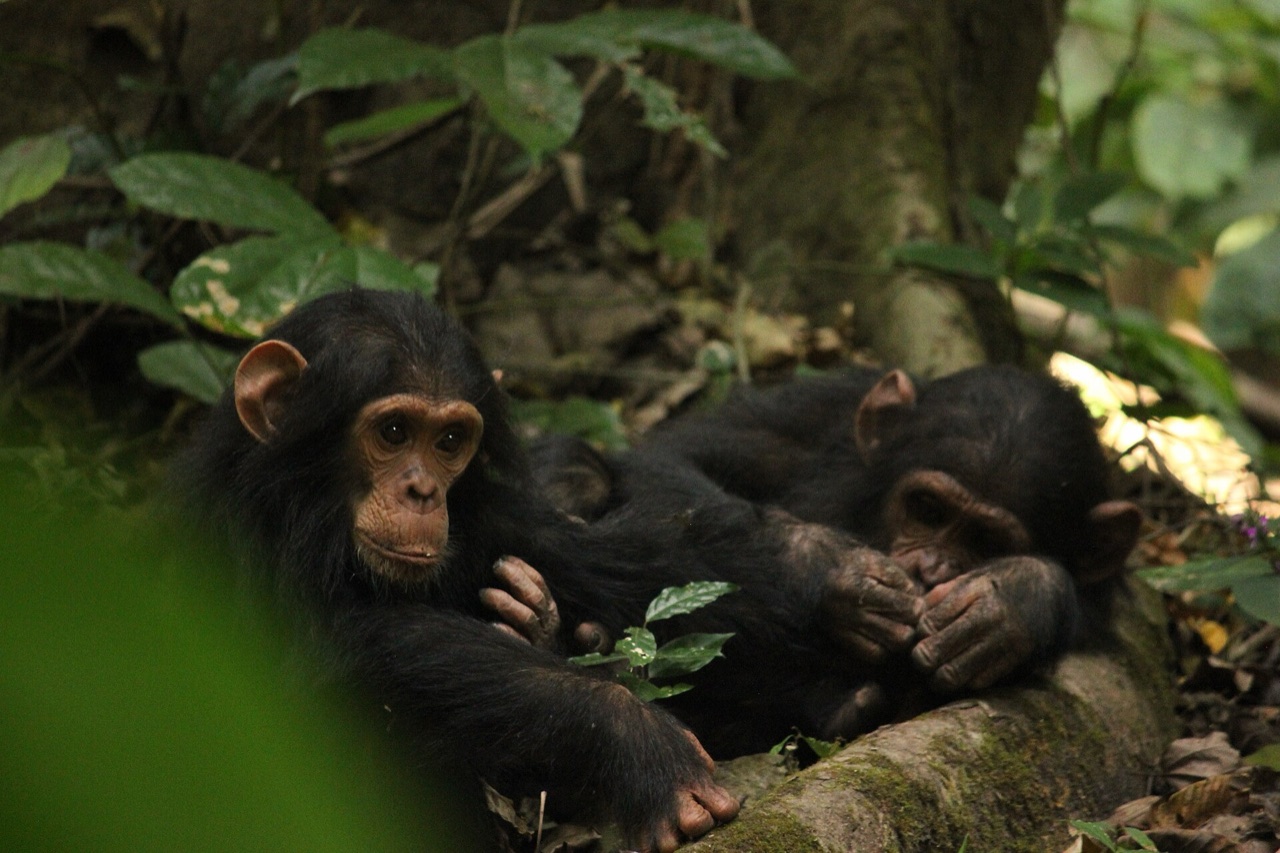
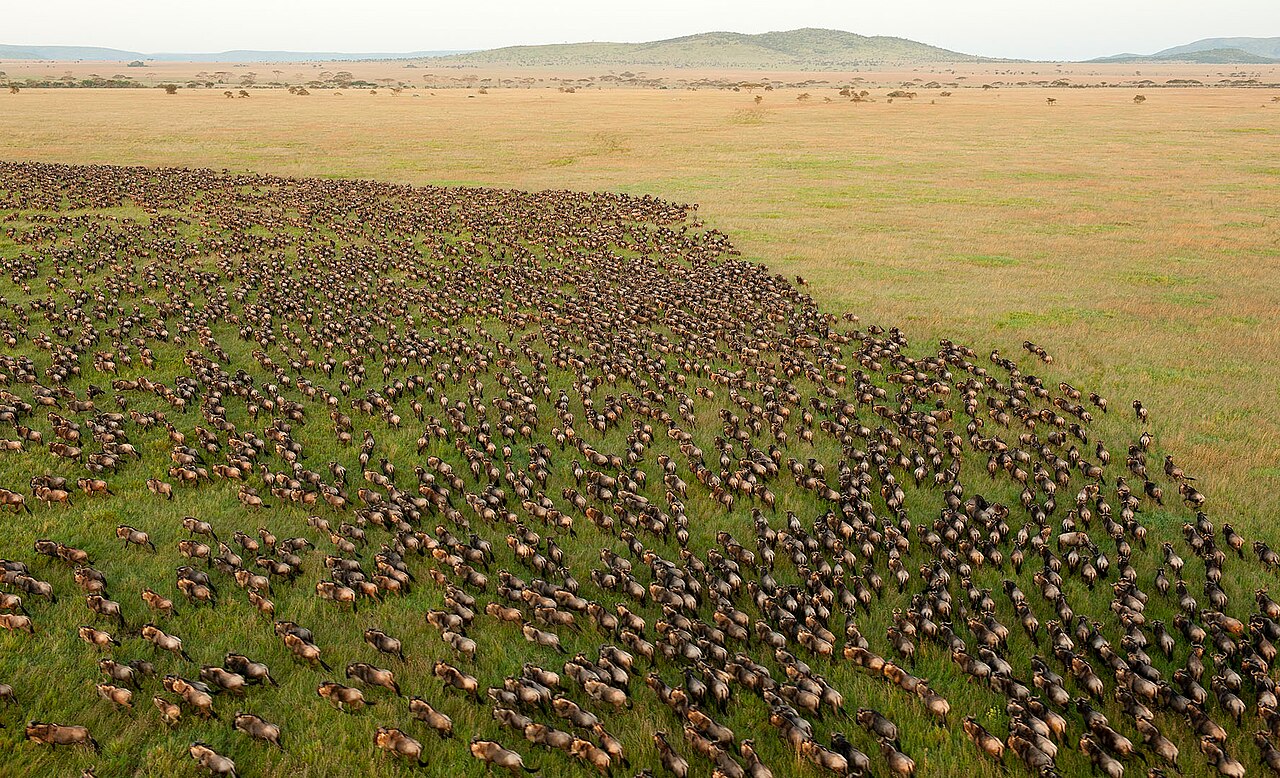
With an abundance of wildlife for a park its size, Arusha offers a great diversity of habitats and the tranquillity of its multi-coloured lakes.
Highlights
What makes Arusha National Park worth the journey.
- The rugged peaks of Mount Meru, Tanzania's second-highest mountain, make climbing here one of Africa's most rewarding adventures, with uninterrupted views across the savannah.
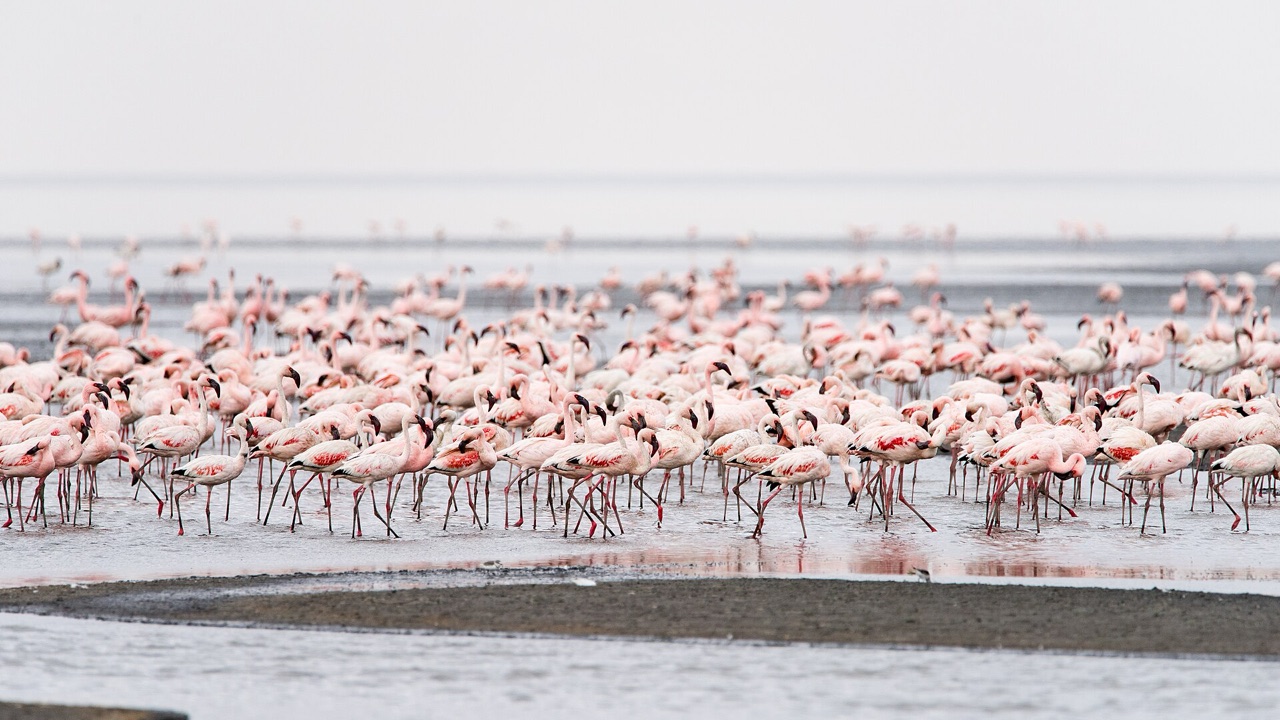
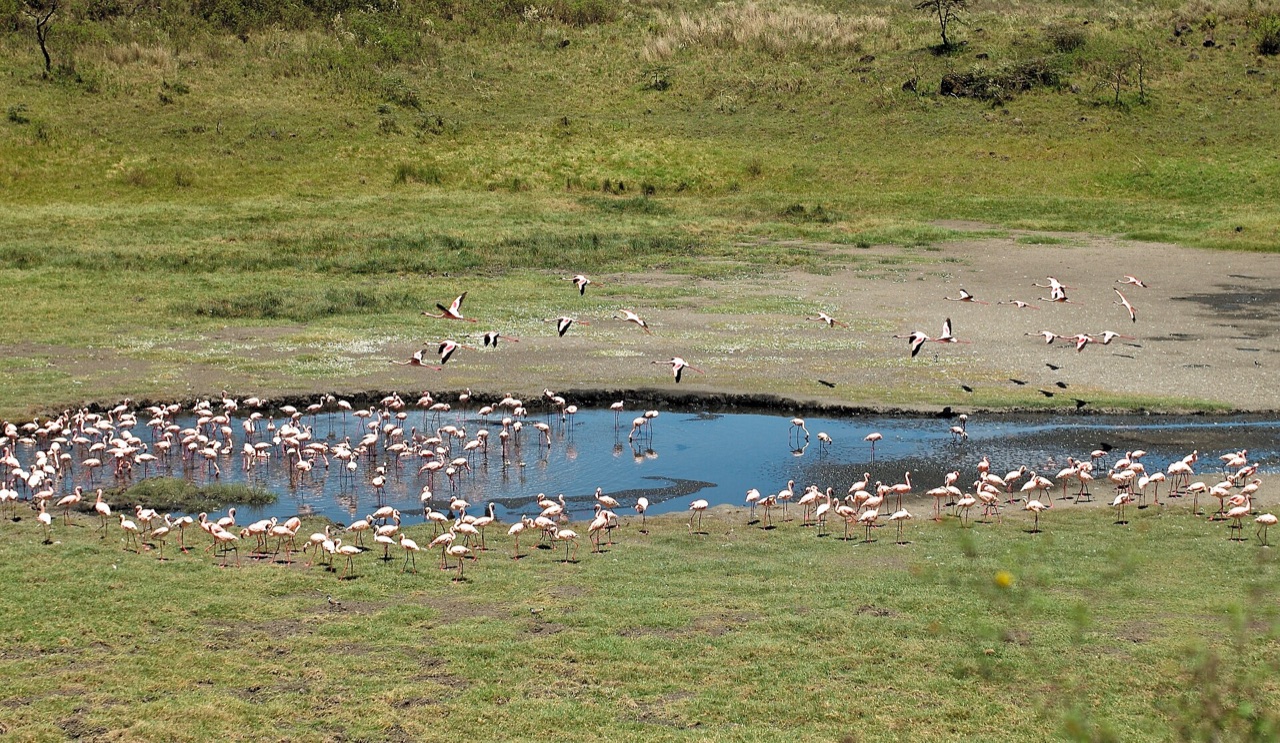
- The multi-coloured waters of the Momella Lakes, a popular spot for flamingos.
- Ngurdoto Crater, a natural sanctuary for elephant, buffalo, monkeys, baboons and rare birds.
When to go
Month by month, at a glance.
- January: Good (green season)
- February: Good (green season)
- March: Peak rains
- April: Peak rains
- May: Peak rains
- June: Best (dry season)
- July: Best (dry season)
- August: Best (dry season)
- September: Best (dry season)
- October: Best (dry season)
- November: Good (green season)
- December: Good (green season)
Dry seasonJune to October
- Wildlife sightings more likely in the shorter grass and around waterholes
- Beautiful sunny days with very little rain
- Fewer mosquitoes, so a lower risk of malaria
- Mornings and nights can be cold
Green seasonNovember to May
- Lush green landscape
- Clear views of Kilimanjaro and Meru more likely from December to February
- April and May is low season and much quieter
- Excellent for birdwatchers, with migratory birds present
- Roads are more difficult to navigate; peak wet season is March to May
Where to stay
10 camps and lodges in and around the park. Tell us your style and budget and we'll suggest the best fit.
- Arusha Coffee Lodge
- Four Points by Sheraton
- Ilboru Safari Lodge
- L'Oasis Lodge
- Lake Duluti Lodge
- Mount Meru Game Lodge
- Mount Meru Hotel
- Ngare Sero Mountain Lodge
- River Trees Lodge
- The African Tulip
Tours that visit
Every trip can be tailor-made.
We don't have a set package for Arusha National Park yet, so we'll build one around your dates, group and interests.
Ask for a tailor-made trip