Overview
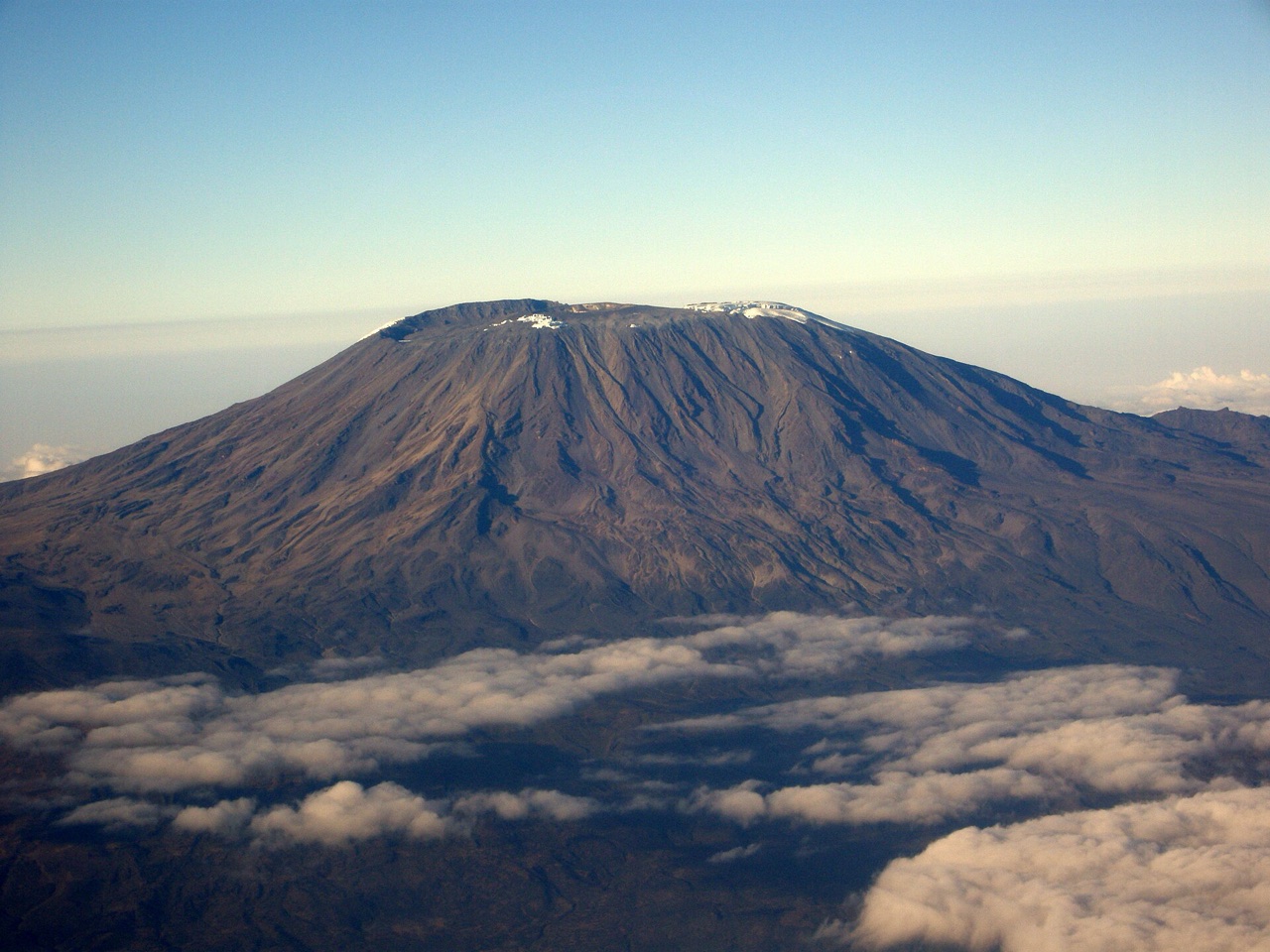
The highest peak in Africa and the tallest free-standing mountain in the world, it rises in breathtaking isolation from the savannah at around 900 metres to an imperious 5,895 metres (19,336 feet). It is one of the world's most accessible high summits: most climbers reach the crater rim with little more than a walking stick, proper clothing and determination, and those who reach Uhuru Peak, Stella Point or Gillman's Point earn their climbing certificates.
The ascent is a virtual climatic world tour, from the tropics to the Arctic. Lower forests shelter elusive elephant, leopard, buffalo, the endangered Abbot's duiker and primates. Higher up, giant heather and otherworldly giant lobelias cover the moorland. Above 4,000 m a surreal alpine desert supports little more than hardy mosses and lichen, before the last vegetation gives way to ice and snow on the roof of the continent.
- Size
- Over 1,500 sq km (575 sq miles)
- Location
- Northern Tanzania, near Moshi
- Getting there
- 128 km from Arusha, about an hour's drive from Kilimanjaro Airport
- Summit
- 5,895 m (19,336 ft)
Highlights
What makes Kilimanjaro National Park worth the journey.
- Six usual trekking routes to the summit, plus more demanding mountaineering routes.
- Day or overnight hikes on the Shira Plateau.
- Nature trails on the lower slopes.
- The beautiful Chala Crater Lake on the south-eastern slopes.
When to go
Month by month, at a glance.
- January: Best for climbing
- February: Best for climbing
- March: Possible
- April: Possible
- May: Possible
- June: Possible
- July: Best for climbing
- August: Best for climbing
- September: Best for climbing
- October: Best for climbing
- November: Possible
- December: Best for climbing
When to climbBest climbing windows
- Early December to early March
- Late June to the end of October
- These dry seasons are the busiest months (high season)
- Our group climbs are scheduled to match the dry season
Good to knowGood to know
- Kilimanjaro can be climbed year round, but precipitation is lower in the dry seasons
- Climb slowly to give your body time to acclimatise and maximise your chance of summiting
- Hotels and campsites are available outside the park in Marangu and Moshi
Tours that visit
Our packages that include Kilimanjaro National Park.